Real Estate as a Long-Term Investment Between Stability and Economic Changes
Real estate is considered one of the most stable forms of long-term investment, as it is based on a tangible physical asset that tends to retain its value over time, compared to other investments that may be more vulnerable to rapid economic fluctuations.
The strength of real estate lies in its combination of practical use and investment value. It is not just a financial asset, but a resource that can be directly utilized, whether for living or renting. This gives it greater flexibility in adapting to economic changes.
Although real estate markets may experience periods of fluctuation, the demand for housing and related services remains consistently present, which supports the long-term stability of this type of investment.
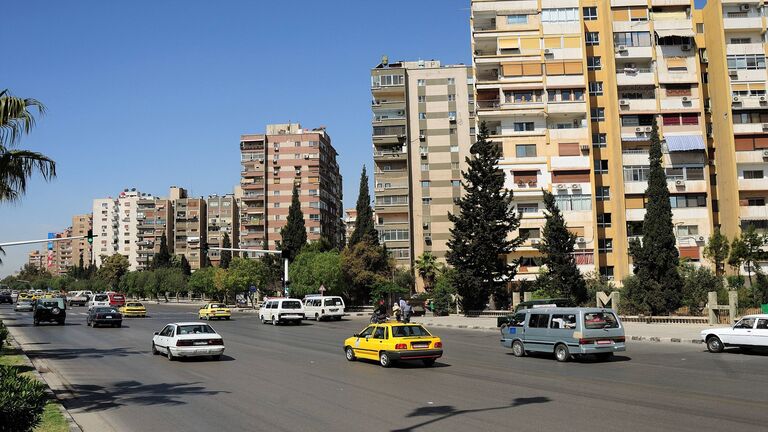
Location also plays a fundamental role in enhancing property value over time, as properties in active or growing areas tend to generate better returns and stronger stability.
On the other hand, real estate is often viewed as a store of value, especially in economically uncertain environments, as it provides a relative sense of security compared to more volatile assets.
In conclusion, real estate represents a long-term investment option that combines stability with growth potential, making it one of the preferred assets for investors seeking a balance between risk and return.